

%0A%C2%A0%0AWhen%20it%20comes%20to%20cleaning%20baby%20bottles,%20washing%20them%20is%20not%20always%20enough.%20Newborns%20have%20delicate%20immune%20systems,%20which%20is...)
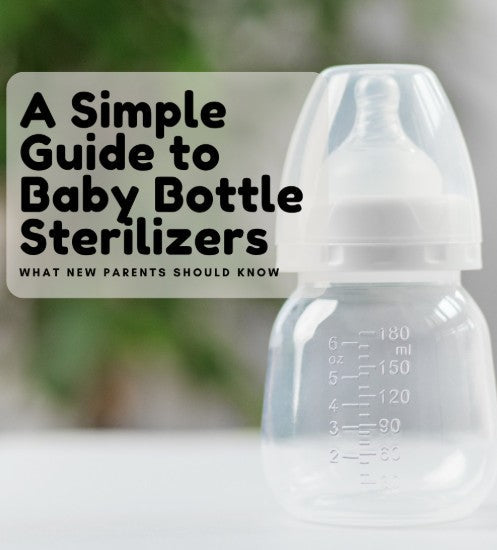
A Simple Guide to Baby Bottle Sterilizers
A Simple Guide to Baby Bottle Sterilizers
(what new parents should know)
When it comes to cleaning baby bottles, washing them is not always enough. Newborns have delicate immune systems, which is why sterilizing bottles and feeding accessories is recommended, especially in the first few months.
There are a few common ways parents sterilize bottles today, including steam sterilizers, UV sterilizers, boiling, and microwave sterilization. Each method works differently and fits into different lifestyles and routines. Here’s a simple breakdown of how each option works, so you can choose what suits you best.
Steam Sterilizers
Trusted & Thorough
Most frequently used and most recommended method
Kills up to 99.9% of germs with high-temperature steam that reaches all surfaces
Many models include a drying function for faster, hassle-free use
Maintenance: descaling + HEPA filter changes keep it working effectively
Ideal for parents who want reliable, daily sterilization and complete peace of mind
UV Sterilizers
Easy & Convenient
Uses UV light to kill germs without heat or water
Can double as storage after sterilizing
Repeated UV exposure can cause discolouration or degradation of plastic and silicone
Placement matters: only sterilizes surfaces in direct line of sight
Maintenance: replace UV lamps and filters regularly
Ideal for parents who want a heat-free, hassle-free solution
Microwave
Quick & Convenient
Uses steam in a microwave-safe box or bag to clean bottles and accessories
Faster than boiling and perfect for small homes or travel
Safe: microwaves use non-ionizing radiation, so items are not radioactive
Compatibility matters: may not fit all bottles or pump parts; follow instructions carefully
Ideal for parents who want a simple, space-saving, and fast sterilizing solution
Boiling
Traditional & Affordable
Uses boiling water to kill germs on bottles and accessories
No special equipment needed and very affordable
Time-consuming; must wait for water to boil, monitor timing, and air dry
May damage some bottles or accessories with prolonged heat
Higher risk of burns or accidents if not careful
Best for occasional use or travel when sterilizers aren’t available
Read more
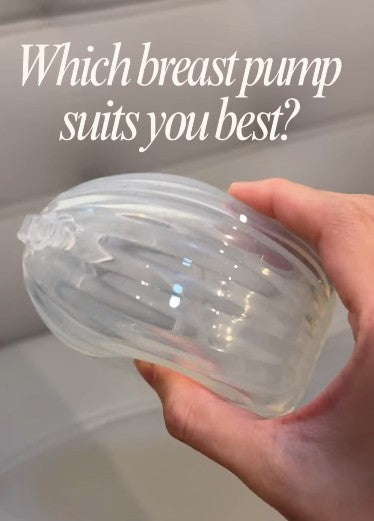
Which Breast Pump suits you Best?
Manual, Wearable or Hospital-Grade Breast Pump? Here's a guide to help you choose the one that fits your needs best! MANUAL Best suited for those who primarily breastfeed and only need to expres...
Read more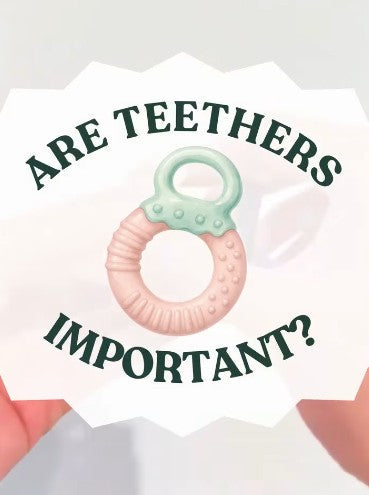
Teething starts as early as 3 months! Teethers help to: 1. Soothe Gum Pressure Ridges massage and allow safe, soothing relief to aching gums. Put them in the freezer for cooling relief Did...
Read more
Leave a comment
This site is protected by hCaptcha and the hCaptcha Privacy Policy and Terms of Service apply.