


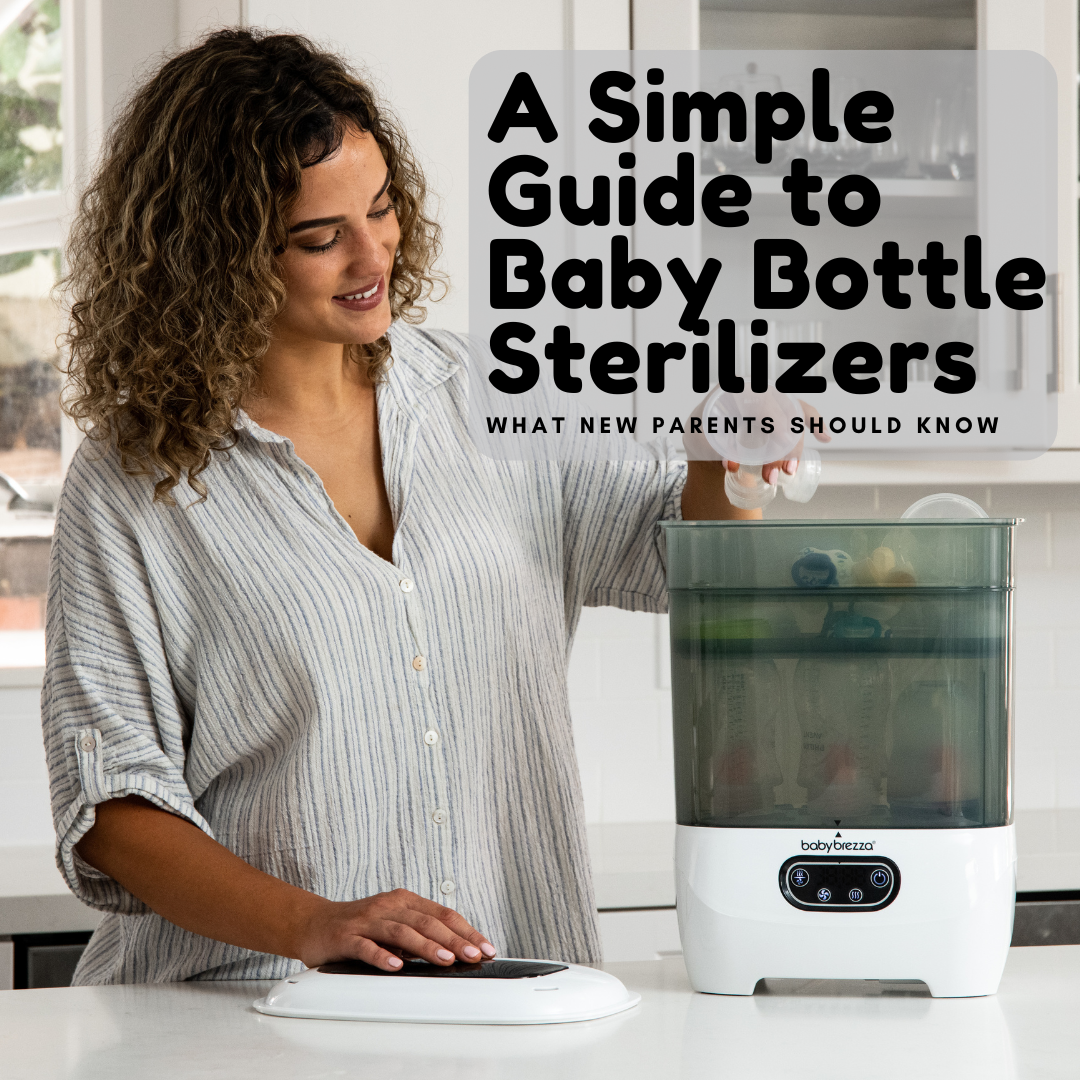
A Simple Guide to Baby Bottle Sterilizers: What New Parents Should Know
When it comes to cleaning baby bottles, washing them is not always enough. Newborns have delicate immune systems, which is why sterilizing bottles and feeding accessories is recommended, especially in the first few months. Most parents continue to sterilise bottles until around 6 to 12 months, or when baby starts crawling and putting more things into their mouth, as their immune system becomes stronger over time.
There are a few common ways parents sterilize bottles today, including steam sterilizers, UV sterilizers, boiling, and microwave sterilization. Each method works differently and fits into different lifestyles and routines. Here’s a simple breakdown of how each option works, so you can choose what suits you best.
Steam Sterilizers
Steam sterilizers are the most commonly used method and are often the most recommended, as they are highly effective at cleaning baby bottles and accessories, killing up to 99.9% of germs. They work using high temperature steam which covers all surface areas thoroughly, ensuring even hard-to-reach spots are sanitized, which is why it’s so trusted for daily use.
One thing to note is that with traditional steam sterilization, air drying can take some time, and some may feel that once items are exposed to air, they are no longer perfectly sterile. That said, this is still considered safe for most babies. Nowadays, many steam sterilizers come with a drying function that leaves bottles completely dry and speeds up the whole process, making it even more convenient for daily use.
To keep your steam sterilizer working effectively, regular maintenance is also important. This includes descaling to remove mineral buildup on the heating plate and changing the HEPA filter to ensure that the air used for drying stays clean.
Overall, they are perfect for parents who value thorough cleaning and germ protection, and anyone who prefers a trusted, convenient method that combines efficiency and ease of use.
UV Sterilizers
UV sterilizers use ultraviolet light to kill bacteria and germs without the need for heat or water, making them a gentle option for items like pacifiers and breast pump parts. Many models can also double as storage after sterilizing, and their modern, sleek design fits well in contemporary homes.
Placement of items inside the sterilizer, however, is important, as UV light only sterilizes surfaces in its direct line of sight, so anything blocked or covered may not be fully sanitized. While highly convenient, UV sterilizers are usually more expensive, take longer to sterilize compared to steam, and require regular maintenance, including replacing UV lamps and filters to ensure the air used for drying stays clean.
Additionally, repeated exposure to UV light can cause degradation or discoloration of certain plastics and silicone, so they may not be suitable for all bottles or accessories. Overall, UV sterilizers are best for parents who want a dry, heat-free option and are willing to invest in convenience while following usage guidelines carefully.
Microwave
Microwave sterilizers work by generating steam inside a specially designed microwave sterilizer box or bag to clean baby bottles and accessories. They are faster than boiling, and does not require purchase or another appliance, making them ideal for small homes.
However, they may not be compatible with all bottles or breast pump accessories, and some microwaves do not allow you to adjust settings adequately, which could result in damage to your items.
Many parents also worry about using a microwave to sterilize baby bottles and accessories, wondering if the radiation could be harmful. The truth is that microwaves use non-ionizing radiation, which only heats water molecules to generate steam, so it does not make bottles or accessories radioactive, and it does not change the chemical composition of the items. The key thing is to always use a microwave-safe sterilizer box or bag designed for this purpose, and to follow the manufacturer’s instructions regarding timing and water amounts. As long as these precautions are taken, microwave sterilization is considered safe for both bottles and breast pump accessories.
Overall, microwave sterilizers are a convenient and simple solution for parents looking for a quick way to keep feeding items clean without taking up much space.
Boiling
Boiling is a traditional method where bottles and accessories are placed in boiling water for a few minutes to kill germs. It doesn’t require any special equipment and is very affordable, making it a familiar option for many parents.
However, it may not be suitable for all bottles and accessories, as some materials can be damaged by prolonged exposure to high heat. The process is time-consuming, requiring parents to wait for the water to boil, carefully monitor the sterilizing time, and then allow a long period for the items to air dry. There’s also a higher risk of burns or accidents if not handled carefully. Boiling is best suited for occasional use or when travelling, especially when sterilizing machines are not available.
At the end of the day, the best sterilizer is the one that fits your lifestyle and makes caring for your baby easier. Clean bottles mean one less thing to worry about, especially during those long days and late nights.
-------
Check out Baby Brezza's One Step Sterilizer and Dryer Advanced for the fastest drying steam sterilizer - https://mamawarehouse.com/products/baby-brezza-one-step-steriliser-and-dryer-advanced-white
Read more

Tips on relieving that painful engorgement
Gentle Breast Massage Massage your breasts in gently circular motions toward the nipple to encourage drainage and ease blocked ducts. For extra efficiency, use a lactation massager to help stimula...
Read more
Checklist For Breastfeeding While Travelling
Checklist For Breastfeeding While Travelling Getting ready for a holiday trip?Here’s your Breastfeeding Travel Checklist, and how each item helps make your journey smoother. Wearable or Portabl...
Read more
Leave a comment
This site is protected by hCaptcha and the hCaptcha Privacy Policy and Terms of Service apply.